Runner’s Knee Treatment Cape Town
Patellofemoral Pain Syndrome (PFPS): Causes, Symptoms & Recovery
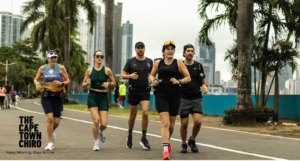
Runner’s knee, also known as Patellofemoral Pain Syndrome (PFPS), is one of the most common running injuries seen in both recreational and competitive runners.
It typically presents as pain around or behind the kneecap, particularly during activities that place repeated stress on the knee joint.
Despite its name, runner’s knee doesn’t only affect runners. It can also occur in gym-goers, HYROX athletes, CrossFit athletes, hikers, and anyone who performs repetitive lower-body loading.
The good news? Most cases respond extremely well to the right combination of load management, strength training and progressive return to activity.
What Is Runner’s Knee?
Patellofemoral Pain Syndrome (PFPS) refers to pain originating from the structures around the patellofemoral joint, where the kneecap (patella) moves over the femur during movement.
The condition is generally considered a load-related pain syndrome, meaning symptoms develop when the demands placed on the knee exceed its ability to tolerate those demands.
Rather than being caused by a single injury, runner’s knee usually develops gradually over time.
Symptoms of Runner’s Knee
Common symptoms include:
- Pain around or behind the kneecap
- Pain during running
- Pain when going downstairs
- Pain during squats or lunges
- Pain after prolonged sitting
- Discomfort during hills
- Aching around the front of the knee
- Pain that worsens with increased training load
Many runners describe it as:
“A dull ache behind the kneecap that gets worse the longer I run.”
What Causes Runner’s Knee?
Runner’s knee is rarely caused by a single structural problem.
Instead, it is usually the result of a mismatch between training load and tissue capacity.
Training Load Errors
The most common cause is increasing training faster than the body can adapt.
Examples include:
- Sudden mileage increases
- More speed sessions
- Increased hill work
- Returning after time off
- Marathon build-ups
Strength Deficits
Reduced strength and endurance in the following areas can contribute:
- Glute medius
- Glute maximus
- Quadriceps
- Calves
- Core musculature
Poor control of the lower limb can increase stress around the patellofemoral joint.
Hills and Downhill Running
Many runners notice symptoms become worse when:
- Running downhill
- Descending stairs
- Trail running
- Performing repeated squats
These activities place greater compressive forces through the kneecap.
Recovery Factors
Insufficient recovery may contribute:
- Poor sleep
- High life stress
- Inadequate nutrition
- Consecutive hard training sessions
Can You Run With Runner’s Knee?
In many cases, yes.
Complete rest is often unnecessary.
Instead, the goal is to identify what level of running can be tolerated while symptoms settle and capacity improves.
This may involve:
- Reducing weekly mileage
- Avoiding hills temporarily
- Limiting speed work
- Monitoring symptoms after running
A useful principle is:
Pain during a run matters less than how the knee responds over the next 24 hours.
Runner’s Knee vs Other Knee Injuries
Patellofemoral pain is commonly confused with other knee conditions.
It may be mistaken for:
- ITB Syndrome
- Meniscus irritation
- Patellar tendinopathy
- Fat pad irritation
- Early osteoarthritis
This is why proper assessment is important.
Not all knee pain in runners is runner’s knee.
Evidence-Based Treatment
Modern treatment focuses on improving capacity rather than simply reducing pain.
1. Load Management
Modify:
- Weekly volume
- Intensity
- Hill exposure
- Speed sessions
The aim is to stay active while reducing aggravation.
2. Strength Training
Research consistently supports strengthening:
- Glute medius
- Glute maximus
- Quadriceps
- Calves
Improved strength often improves symptoms and reduces recurrence.
3. Movement Retraining
For some runners, changes in:
- Cadence
- Stride length
- Running volume progression
may improve knee loading patterns.
4. Manual Therapy and Rehabilitation
Treatment may include:
- Joint mobilisation
- Soft tissue treatment
- Dry needling
- Exercise rehabilitation
- Return-to-running planning
These approaches are most effective when combined with progressive loading strategies.
How Long Does Runner’s Knee Take to Heal?
Recovery varies depending on:
- Symptom duration
- Training load
- Strength deficits
- Rehabilitation compliance
General timelines:
- Mild cases: 2–6 weeks
- Moderate cases: 6–12 weeks
- Long-standing cases: several months
Most runners improve significantly when load is managed appropriately.
Preventing Runner’s Knee
To reduce the risk:
✅ Progress mileage gradually
✅ Include strength training year-round
✅ Avoid sudden hill spikes
✅ Respect recovery weeks
✅ Address symptoms early
✅ Build lower-limb strength capacity
Key Takeaway
Runner’s knee is not simply a “bad knee.”
It is usually a load tolerance problem.
When training demand exceeds what the knee can currently tolerate, pain develops.
Reduce the load, improve capacity, and most runners can return to training successfully.
Why Runners See Dr Tristan Koekemoer
At Chiropractor Cape Town | Dr Tristan Koekemoer, runner’s knee management focuses on:
- Evidence-based diagnosis
- Running load assessment
- Strength and rehabilitation programming
- Return-to-running planning
- Performance-focused recovery
The goal is not just pain relief—it’s helping runners stay active and continue progressing toward their goals.
FAQ
What is runner’s knee?
Runner’s knee, or Patellofemoral Pain Syndrome (PFPS), is pain around or behind the kneecap caused by repetitive loading and reduced tissue tolerance.
Can I run with runner’s knee?
Many runners can continue training with modifications to volume, intensity and hill exposure.
What causes pain behind the kneecap when running?
Common causes include training load increases, strength deficits, downhill running and poor recovery.
How long does runner’s knee take to heal?
Recovery may take anywhere from a few weeks to several months depending on severity and management.
What is the best treatment for runner’s knee?
The most effective treatment typically combines load management, strength training and progressive return-to-running strategies.
Book Now
Related Articles
Achilles Tendinopathy Treatment Cape Town
ITB Syndrome Treatment Cape Town
Shin Splints Treatment Cape Town
Knysna Forest Marathon Prep: Hills, Fatigue & Recovery