Back Pain Treatment Cape Town
Most lower back pain is mechanical. It hurts a lot, it is rarely dangerous, and most people improve within weeks with the right plan.
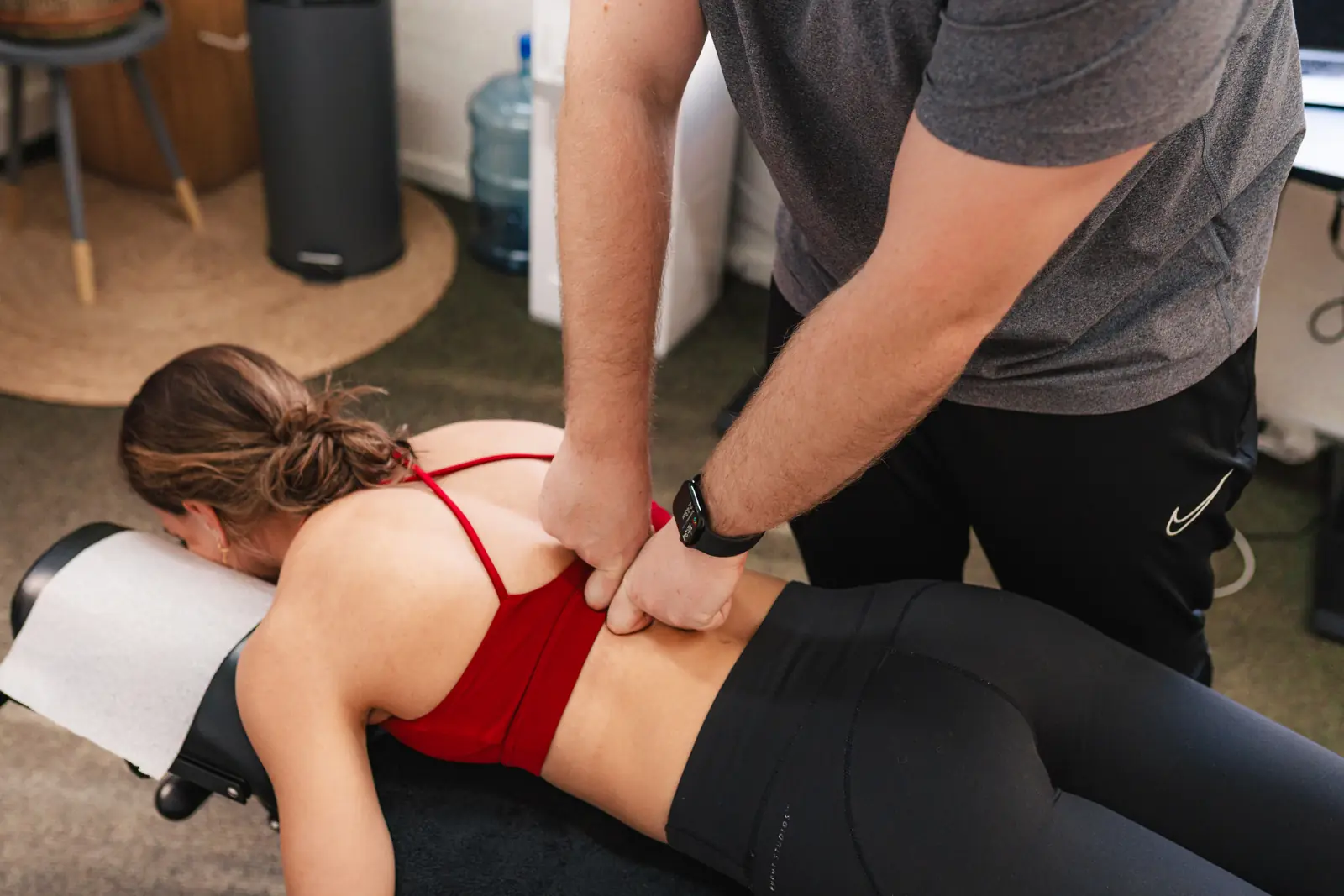
An assessment works out what is irritated and what makes it better or worse. Treatment combines hands-on care where it helps, a graded return to movement and training, and clear advice on what to do between sessions.
Common causes
How did it start?
Acute low back pain ("I pulled my back")
A sudden sharp pain or spasm after bending, lifting, twisting or even a sneeze. Muscles guard and every movement feels risky. Staying gently active, calming the area down and restoring confidence in bending usually helps more than bed rest.
Read the full guidePain when bending forward
Pain putting on socks, tying shoes or picking something up is common with disc-related and flexion-sensitive back pain. The pattern of what eases it guides the exercises.
Read the full guideDisc herniation and disc bulges
Disc findings on scans are very common in people without pain, and many disc herniations shrink over time. Management focuses on symptoms and function, not the picture.
Read the full guideSciatica and pinched nerves
Leg pain, pins and needles or numbness that travels below the knee suggests an irritated nerve root. Most cases improve with conservative care. Progressive weakness needs urgent review.
Read the full guideBack pain from lifting and deadlifts
Usually a load and recovery problem, not a sign that deadlifts are dangerous. Training is modified, not stopped, and built back up with a plan.
Read the full guideScoliosis
Assessment, monitoring and exercise-based management, with referral for bracing or specialist opinion when curve size or growth stage calls for it.
Read the full guide
How treatment works
- AssessHistory, movement and clinical tests, with screening for anything that needs a doctor.
- ExplainA clear diagnosis in plain language, and what recovery usually looks like.
- TreatHands-on care where it helps: joint and soft tissue work, dry needling or adjustments.
- RebuildExercises and a training plan so it holds up, with an end point.
When to get urgent medical care
- Loss of bladder or bowel control, or numbness around the groin or saddle area: go to an emergency unit now.
- Leg weakness that is getting worse, or numbness in both legs.
- Back pain with fever, unexplained weight loss, a history of cancer, or after a major fall or accident.
Questions
Should I rest when I pull my back?
Short rest from aggravating activities is fine, but bed rest slows recovery. Gentle walking and movement within comfort are recommended by current guidelines.
Do I need an X-ray or MRI for back pain?
Usually not. Imaging is recommended when there are red flags, severe or worsening nerve symptoms, or no improvement after a reasonable period of care. Dr Tristan refers for imaging when it will change the plan.
How long does a pulled back take to heal?
Many people improve substantially within two to six weeks. Recovery is faster when you stay active and the cause of the flare-up is addressed.
Can I keep training with back pain?
Usually yes, with changes. Most athletes keep training around the injury while load on the sensitive movement is reduced and rebuilt.
Read more
- Is Surface Topography for Scoliosis Evidence-Based? What Formetric Scans Can (and Can't) Tell You | Chiropractor Cape Town3 July 2026
- Neck Pain Treatment in Cape Town: Muscles, Joints, Discs & Nerves Explained (And What Actually Works)4 April 2026
- Back Doctor in Cape Town: Who Should You See for Back Pain?25 March 2026
- Lower Back Pain Treatment in Cape Town: What Actually Works (Evidence-Based Guide)23 March 2026
- Disc Herniation Treatment in Cape Town: A Complete Guide28 October 2025
- Pain When Bending Forward or Tying Your Shoes? It Might Be This…11 September 2025
- Lower Back Pain After Deadlifts? Here’s What’s Actually Going On26 June 2025
- Herniated Disc Worries? Here’s What Cape Town Chiropractors Want You to Know25 June 2025
Ready to Take the Next Step?
Book your chiropractic consultation and start working towards better movement and less pain.