ITB Syndrome Treatment Cape Town
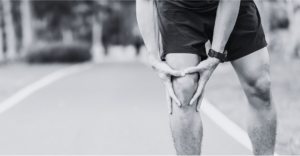
Iliotibial Band Pain in Runners: Causes, Symptoms & Recovery
Iliotibial Band Syndrome (ITB syndrome) is one of the most common overuse injuries in runners, especially those training for 10km, half marathons, marathons and trail events.
It typically presents as a sharp or burning pain on the outside of the knee, often starting a few kilometres into a run and worsening with continued activity.
While it is commonly called “ITB friction syndrome,” the condition is more accurately understood as a load-related overuse injury rather than a simple friction problem.
From a sports chiropractic and running perspective, ITB pain is rarely caused by a single issue — it is usually a combination of training load, strength deficits, fatigue and running mechanics.
What Is ITB Syndrome?
The iliotibial band (ITB) is a thick band of connective tissue running from the hip to the outside of the knee.
In ITB syndrome, pain develops due to irritation and overload of the structures around the lateral knee, usually during repetitive knee flexion and extension such as running, cycling or downhill movement.
It is most commonly seen in:
- Runners increasing mileage too quickly
- Marathon and half marathon training blocks
- Trail runners (especially downhill running)
- HYROX and CrossFit athletes
- Cyclists and triathletes
Symptoms of ITB Syndrome
Typical symptoms include:
- Sharp or burning pain on the outside of the knee
- Pain that starts after a set distance or time running
- Worsening pain on downhill running
- Pain that improves with rest
- Tenderness on the lateral knee
- Occasionally clicking or tightness around the knee
Early on, symptoms may only appear during running. As it progresses, pain can occur sooner and linger after exercise.
What Causes ITB Pain in Runners?
ITB syndrome is almost always an overuse + load management issue, not a structural “tight band” problem.
Common contributing factors include:
Sudden increase in training load
- More weekly mileage
- Faster intensity work
- Introducing hills or trail running
- Race preparation blocks
Weakness or fatigue in key muscle groups
- Glute medius (hip stability)
- Glute max (hip control)
- Core stability
- Single-leg control
Downhill running stress
Downhill running significantly increases eccentric load on the lateral knee structures and is a major trigger in trail and marathon prep.
Poor recovery
- Insufficient sleep
- High cumulative training stress
- Poor nutrition during heavy training blocks
Training errors
- Sudden terrain changes
- Poor pacing
- Inadequate recovery between sessions
Can You Run With ITB Syndrome?
This is one of the most important questions.
In many cases, yes — but with modification.
Stopping completely is often not required.
Instead, treatment usually involves:
- Reducing running volume
- Avoiding downhill running temporarily
- Removing speed work short term
- Keeping pain below a manageable threshold
- Maintaining aerobic fitness via cross-training
The key principle is:
You don’t need total rest — you need load control.
ITB Syndrome vs Knee Injury (Differential)
ITB pain is often confused with other knee issues.
It is typically:
- Lateral (outside) knee pain only
- Linked to running load
- Predictable with distance or fatigue
It may be confused with:
- Meniscus irritation
- Patellofemoral pain
- LCL strain
- Referred hip pain
A proper clinical assessment is important to confirm diagnosis and rule out other pathology.
Treatment Approach (Evidence-Based)
Effective ITB management focuses on capacity building and load management, not just stretching or rolling.
1. Load modification
- Reduce running intensity temporarily
- Adjust weekly volume
- Remove aggravating sessions (hills/downhill/speed)
2. Strength training
Key focus areas:
- Glute medius strengthening
- Hip stability control
- Single-leg loading strength
- Core endurance
3. Running reintroduction plan
- Gradual return to pain-free running
- Controlled progression of distance and intensity
- Monitoring symptoms after runs
4. Tissue and joint treatment (when needed)
- Soft tissue therapy
- Joint mobilisation
- Neuromuscular control work
How Long Does ITB Syndrome Take to Heal?
Recovery depends on:
- How long symptoms have been present
- Training load during recovery
- Strength deficits
- Compliance with rehab
Many runners improve within 2–6 weeks when load is managed properly.
Chronic cases may take longer if training continues unchanged.
Preventing ITB Pain in Runners
To reduce recurrence:
- Increase mileage gradually (10% rule is not perfect, but useful)
- Include regular strength training
- Manage downhill exposure carefully
- Avoid sudden training spikes
- Prioritise recovery in marathon build-ups
- Build single-leg strength capacity
Key Takeaway
ITB syndrome is not a “tight band problem.”
It is a load tolerance problem.
If training load exceeds what the hip and knee system can handle, pain develops.
Fix the load → build capacity → restore running.
Why Runners See Dr Tristan Koekemoer
At Chiropractor Cape Town | Dr Tristan Koekemoer, ITB management focuses on:
- Evidence-based diagnosis
- Running load analysis
- Strength and rehab programming
- Return-to-running planning
- Performance-focused recovery
No unnecessary imaging. No passive-only treatment. No guesswork.
Just structured rehab that keeps runners training.
FAQ
What causes ITB syndrome in runners?
ITB syndrome is caused by overload of the lateral knee structures, usually due to training load increases, downhill running and hip stability deficits.
Can I run with ITB pain?
Yes, in many cases running can continue with modified volume and intensity, depending on symptom severity.
How long does ITB syndrome take to heal?
Most runners improve within 2–6 weeks if training load is managed properly and rehabilitation is followed.
Is ITB syndrome a tight band?
No. ITB syndrome is not caused by tightness alone but by load-related irritation of structures around the lateral knee.
What is the best treatment for ITB pain?
The most effective treatment combines load management, hip strengthening, running modification and gradual return-to-running progression.
Want an Assessment and Treatment for ITB Pain/ITB Syndrome in Cape Town?
Book Now WhatsApp LocationRelated Articles:
Shin Splints Treatment Cape Town
Knysna Forest Marathon Prep: Hills, Fatigue & Recovery