Short answer
A new shoe changes cushioning, heel drop and stability, so your body has to adapt. Pain that starts within a couple of weeks of new shoes is often from that change, especially if the model, drop or stack height is very different. Go back to your old pair for most runs, reintroduce the new pair gradually, and get assessed if pain persists.
Common causes
Different heel drop
A lower drop loads the calf and Achilles more; a higher drop shifts load towards the knee.
Different cushioning
Much softer or firmer shoes change how load reaches your shins and feet.
Worn-out shoes
Often blamed, but the change of model matters more than the age of the shoe.
What usually helps right now
- Return to your previous shoes for most runs.
- Rotate the new pair in for short, easy runs.
- When you replace shoes, stick with a similar model or change one thing at a time.
What to avoid
- Changing shoes in the weeks before a race.
- Buying a shoe purely to “correct” your running.
When to book an assessment
- Pain does not settle after switching back.
- Pain is pinpoint on a bone.
Get urgent medical care if
- Pinpoint bone pain, limping or pain at rest: stop running and get assessed.
How we treat it
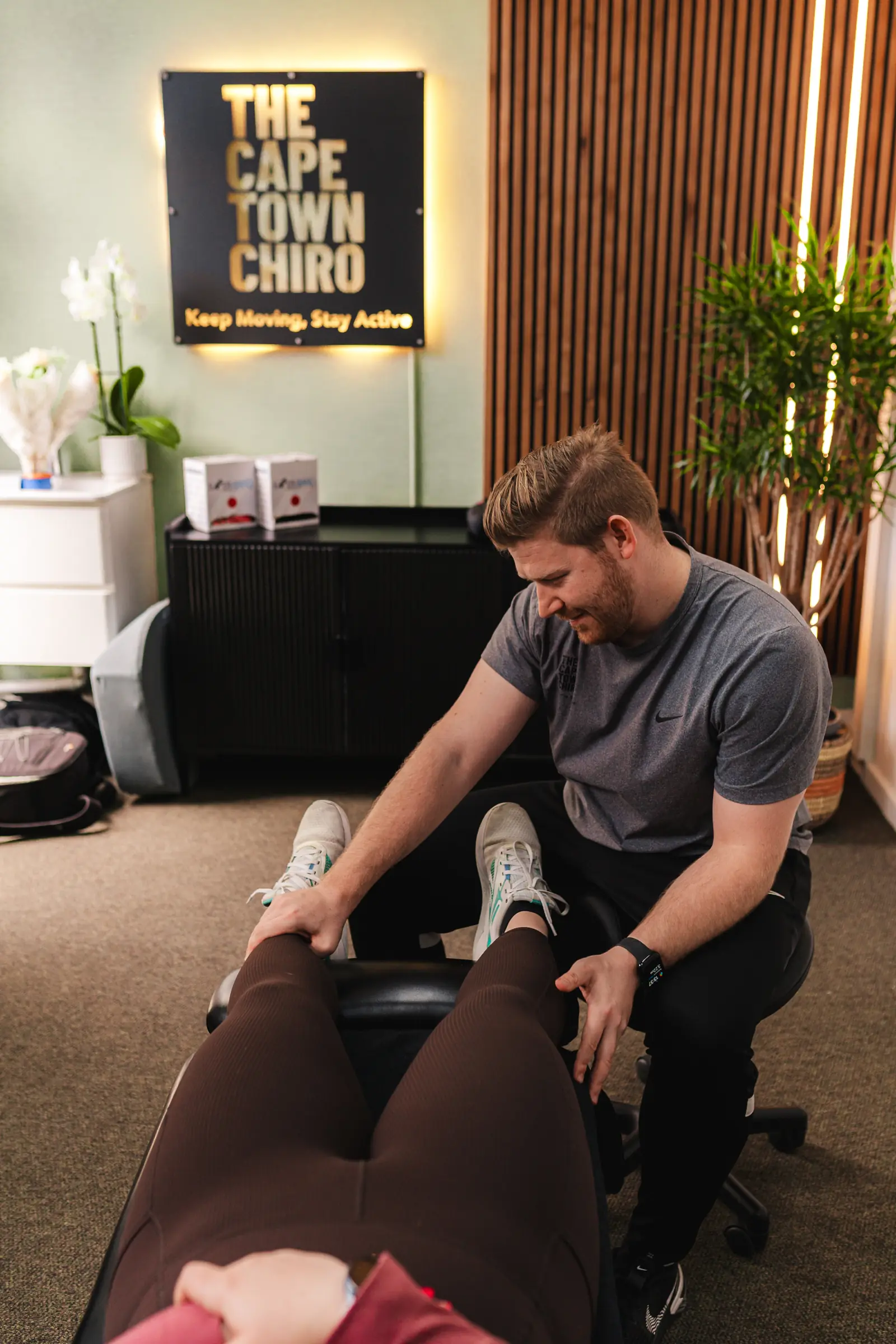
- AssessHistory, movement and clinical tests, with screening for anything that needs a doctor.
- ExplainA clear diagnosis in plain language, and what recovery usually looks like.
- TreatHands-on care where it helps: joint and soft tissue work, dry needling or adjustments.
- RebuildExercises and a training plan so it holds up, with an end point.
Questions
How often should I replace running shoes?
Often quoted at 500–800 km, but comfort matters more than distance.
Do I need shoes for overpronation?
Most runners do best in the shoe that feels most comfortable. Pronation is normal.