Short answer
Yes, for muscle and joint-related jaw pain. A chiropractor can assess the jaw and neck, explain what is going on, and treat with education, jaw and neck exercises and gentle manual therapy, often alongside your dentist. Jaw problems involving locking, dislocation, a change in bite, trauma, suspected arthritis or dental causes are referred to a dentist or maxillofacial surgeon. Good care knows the difference.
Common causes
What can be helped
Jaw muscle pain, painful clicking, clenching-related pain and jaw tension that comes with neck pain and headaches.
What needs a dentist
Tooth pain, grinding damage, bite problems and night splints.
What needs a maxillofacial surgeon
Recurrent dislocation or instability, persistent closed lock, joint arthritis or damage, fractures and structural problems.
What usually helps right now
- Start with jaw relaxation habits and soft food during a flare.
- Treat neck pain and screen-time habits alongside the jaw.
- Keep your dentist in the loop.
What to avoid
- Forceful jaw “adjustments”.
- Expensive devices or long treatment packages without a clear diagnosis.
When to book an assessment
- Jaw pain lasting more than a couple of weeks.
- Jaw pain with neck pain or headaches.
- Painful clicking or catching.
Get urgent medical care if
- Jaw stuck open: go to an emergency unit.
- Jaw pain with chest pain or shortness of breath: call emergency services.
- Bite change or swelling after trauma.
How we treat it
- AssessHistory, movement and clinical tests, with screening for anything that needs a doctor.
- ExplainA clear diagnosis in plain language, and what recovery usually looks like.
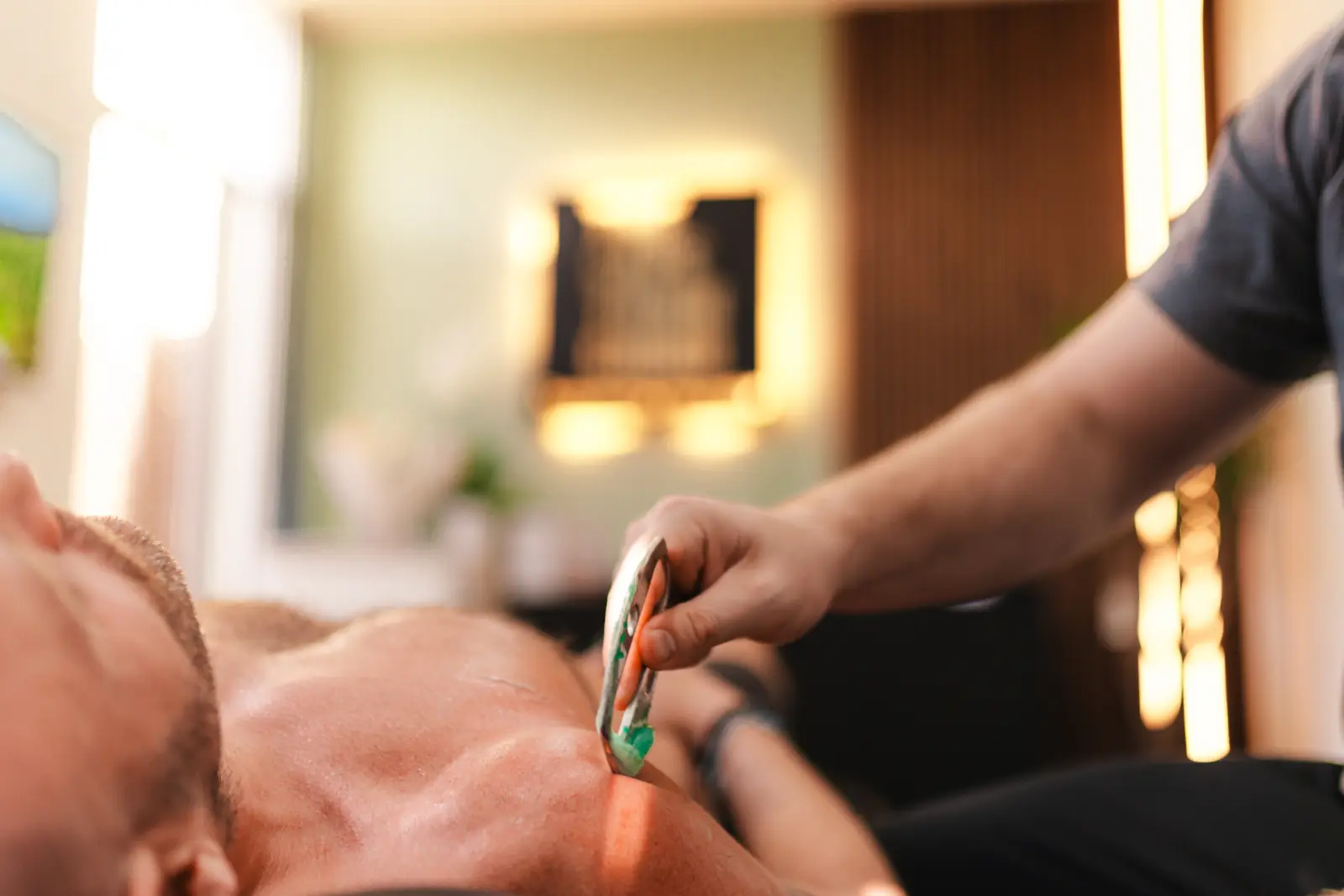
- TreatHands-on care where it helps: joint and soft tissue work, dry needling or adjustments.
- RebuildExercises and a training plan so it holds up, with an end point.
Questions
How many sessions does TMJ treatment take?
Many people improve within a few sessions plus home exercises. You get a plan with an end point.
Is jaw pain linked to neck pain?
Often. The jaw and neck share muscles and nerve pathways, so both are usually assessed together.
Do you treat TMJ for athletes?
Yes. Clenching during lifts, contact sport impacts and mouthguards are common factors.