Plantar Fasciitis Treatment Cape Town
Heel Pain, Plantar Fasciitis & Running: Causes, Symptoms and Recovery
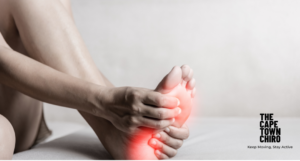
If you’ve ever stepped out of bed in the morning and felt a sharp pain under your heel, you’re not alone.
Plantar fasciitis is one of the most common causes of heel pain and is frequently seen in runners, walkers, gym-goers and active individuals.
While it can be frustrating and persistent, the good news is that most cases respond well to the right combination of load management, strengthening and rehabilitation.
Contrary to popular belief, plantar fasciitis is rarely a condition that simply requires rest. Modern evidence suggests that improving tissue capacity and managing load appropriately are key to long-term recovery.
What Is Plantar Fasciitis?
The plantar fascia is a thick band of connective tissue that runs along the bottom of the foot, connecting the heel bone to the toes.
Its role is to:
- Support the arch of the foot
- Store and release energy during walking and running
- Help distribute forces through the foot
Plantar fasciitis occurs when the plantar fascia becomes irritated due to repeated loading that exceeds its ability to recover and adapt.
Although the name suggests inflammation, many chronic cases are better described as a load-related plantar fascia disorder rather than a purely inflammatory condition.
Symptoms of Plantar Fasciitis
Common symptoms include:
- Pain under the heel
- Pain with the first steps in the morning
- Pain after prolonged sitting
- Discomfort when standing for long periods
- Pain during or after running
- Tightness in the arch of the foot
- Symptoms that improve as movement increases before returning later
Many patients describe:
“The first few steps in the morning are the worst.”
This is one of the hallmark features of plantar fasciitis.
What Causes Plantar Fasciitis?
Plantar fasciitis is usually caused by a mismatch between loading and tissue capacity.
Rather than a single injury, it often develops gradually over time.
Training Load Increases
Common triggers include:
- Increasing running mileage
- More hill running
- Increased walking volume
- Marathon training
- Return-to-running after time off
Reduced Foot and Calf Capacity
Weakness or reduced endurance in:
- Calf muscles
- Soleus
- Intrinsic foot muscles
may increase stress on the plantar fascia.
Footwear Changes
Sudden changes in:
- Running shoes
- Walking shoes
- Time spent barefoot
can sometimes contribute to symptom development.
Recovery Factors
As with many overuse injuries, recovery capacity matters.
Factors may include:
- Poor sleep
- Increased stress
- High cumulative training load
- Insufficient recovery between sessions
Can You Run With Plantar Fasciitis?
In many cases, yes.
Complete rest is often unnecessary.
The goal is usually to find a level of activity that remains tolerable while gradually improving tissue capacity.
This may involve:
- Reducing mileage temporarily
- Limiting hill exposure
- Adjusting training intensity
- Monitoring next-day symptoms
A useful guideline:
Morning pain is often one of the best indicators of how the plantar fascia is coping with training load.
Plantar Fasciitis vs Other Causes of Heel Pain
Not all heel pain is plantar fasciitis.
Other possibilities include:
- Fat pad irritation
- Calcaneal stress reactions
- Nerve irritation
- Achilles tendinopathy
- Plantar fascia tears
This is why proper assessment is important before beginning treatment.
Evidence-Based Treatment for Plantar Fasciitis
Successful treatment focuses on restoring load tolerance.
1. Load Management
Initially this may involve:
- Temporary reduction in aggravating activities
- Modifying running volume
- Managing standing and walking exposure
2. Progressive Strengthening
Research increasingly supports:
- Calf strengthening
- Soleus strengthening
- Foot intrinsic strengthening
- Progressive loading exercises
The goal is to improve the ability of the foot and ankle complex to tolerate load.
3. Mobility and Tissue Capacity
Where appropriate, treatment may include:
- Calf mobility work
- Foot mobility exercises
- Tissue loading strategies
4. Rehabilitation and Return to Running
As symptoms improve:
- Running volume can gradually increase
- Hills can be reintroduced
- Speed work can return progressively
The objective is not simply pain reduction but restoring full function.
How Long Does Plantar Fasciitis Take to Heal?
Recovery depends on:
- Symptom duration
- Load management
- Tissue capacity
- Consistency with rehabilitation
General timelines:
- Mild cases: 4–8 weeks
- Moderate cases: 2–4 months
- Chronic cases: several months
Early intervention often improves outcomes.
Preventing Plantar Fasciitis
To reduce risk:
✅ Progress training gradually
✅ Strengthen calves regularly
✅ Maintain foot strength
✅ Avoid sudden training spikes
✅ Monitor morning heel pain
✅ Address symptoms early
Key Takeaway
Plantar fasciitis is rarely caused by a single event.
Most cases develop when the demands placed on the foot exceed its current capacity.
By managing load appropriately and progressively strengthening the foot and calf complex, most people can return to running and activity successfully.
Why Patients See Dr Tristan Koekemoer
At Chiropractor Cape Town | Dr Tristan Koekemoer, plantar fasciitis treatment focuses on:
- Evidence-based diagnosis
- Load management strategies
- Running injury assessment
- Foot and calf strengthening
- Return-to-running planning
- Performance-focused rehabilitation
The goal is not just reducing pain, but helping you move confidently and stay active long-term.
FAQ
What causes plantar fasciitis?
Plantar fasciitis is usually caused by repeated loading that exceeds the capacity of the plantar fascia, often due to increases in running, walking or standing volume.
Can I run with plantar fasciitis?
Many runners can continue training with modifications, depending on symptom severity and how the foot responds afterward.
Why is plantar fasciitis worse in the morning?
Morning pain occurs because the plantar fascia tightens slightly overnight and becomes painful when loaded again with the first few steps.
How long does plantar fasciitis take to heal?
Recovery can range from several weeks to several months depending on severity and management.
What is the best treatment for plantar fasciitis?
The most effective treatment generally includes load management, calf strengthening, foot strengthening and progressive rehabilitation.
Book Now
Book Now WhatsApp UsRelated Articles
Achilles Tendinopathy Treatment Cape Town
ITB Syndrome Treatment Cape Town