Achilles Tendinopathy Treatment Cape Town
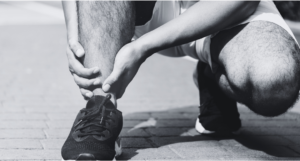
Achilles Pain in Runners: Causes, Symptoms & Recovery for Achilles Tendinopathy
Achilles pain is one of the most common and frustrating injuries in runners, especially during marathon training, hill blocks, speed work or return-to-running phases.
The Achilles tendon is designed to handle high load, but it becomes painful when training demand exceeds its ability to adapt over time. This is known as Achilles tendinopathy.
Despite common belief, Achilles pain is not usually an acute “tear” or sudden injury — it is most often a load management and capacity issue that develops gradually.
From a sports chiropractic and running perspective, effective treatment focuses less on rest and more on rebuilding tendon load tolerance while managing training intelligently.
What Is Achilles Tendinopathy?
The Achilles tendon connects the calf muscles (gastrocnemius and soleus) to the heel bone.
It plays a critical role in:
- Running propulsion
- Jumping and sprinting
- Hill running
- Push-off mechanics
Achilles tendinopathy occurs when repeated loading exceeds the tendon’s ability to recover and adapt.
It is commonly seen in:
- Marathon runners
- Trail runners (especially hill-heavy routes)
- HYROX athletes
- CrossFit athletes
- Runners increasing training load too quickly
- Athletes returning after time off
Symptoms of Achilles Pain
Typical symptoms include:
- Stiffness in the Achilles (especially in the morning)
- Pain during the first part of a run
- Pain that may “warm up” during activity
- Tenderness along the tendon (mid-portion or near heel)
- Thickening of the tendon over time
- Pain after running or the next day
Early symptoms are often mild, which is why runners tend to ignore them until they worsen.
What Causes Achilles Tendinopathy?
Achilles pain is almost always caused by a load vs capacity mismatch.
Common contributors include:
Sudden training load increases
- Rapid mileage progression
- Adding speed work too quickly
- Hill training blocks
- Race preparation phases
Hill and speed exposure
Uphill running increases tendon load significantly, while downhill running adds eccentric stress through the calf complex.
Calf and soleus weakness
Reduced capacity in:
- Soleus (key endurance muscle for running)
- Gastrocnemius (power + propulsion)
Poor recovery
- Sleep deprivation
- High training stress
- Insufficient fueling during heavy training blocks
Footwear + biomechanics factors
- Sudden shoe changes
- Low calf capacity relative to training load
- Reduced ankle mobility in some runners
Can You Run With Achilles Pain?
In many cases, yes — but only if load is controlled carefully.
Complete rest is rarely the best long-term solution.
Instead, management usually involves:
- Reducing running volume temporarily
- Avoiding hills and speed work early on
- Monitoring pain response during and after runs
- Maintaining aerobic fitness through cross-training
A key rule:
Pain during running is less important than how it behaves 24 hours later.
Achilles Tendinopathy vs Tear
It is important to differentiate:
Tendinopathy (most common)
- Gradual onset
- Stiffness + pain with load
- Improves with warm-up initially
Tear (less common)
- Sudden sharp pain
- Loss of function
- Significant swelling or bruising
- Difficulty walking or pushing off
Proper assessment is essential if symptoms are severe or sudden.
Evidence-Based Treatment Approach
Achilles rehab is not passive — it is progressive loading and capacity building.
1. Load management
- Reduce aggravating sessions
- Modify volume and intensity
- Temporarily limit hill exposure
2. Progressive strengthening
Key focus areas:
- Heavy calf loading (straight + bent knee)
- Soleus endurance work
- Eccentric + isometric loading phases
- Gradual plyometric reintroduction
3. Running reintroduction
- Structured return-to-running plan
- Controlled progression of distance
- Gradual reintroduction of hills and speed
4. Tissue capacity development
The goal is not “pain relief” alone — it is restoring tendon load tolerance.
How Long Does Achilles Recovery Take?
Recovery time varies depending on:
- Severity of symptoms
- How long it has been present
- Training load during rehab
- Strength and tendon capacity
Typical timelines:
- Mild cases: 2–6 weeks
- Moderate cases: 6–12 weeks
- Chronic cases: 3+ months
Consistency with load management is the biggest predictor of recovery.
Preventing Achilles Pain in Runners
To reduce risk:
- Progress mileage gradually
- Include regular calf strength training
- Avoid sudden hill/speed spikes
- Respect recovery weeks
- Maintain consistent training rather than stop-start cycles
- Monitor early morning stiffness as a warning sign
Key Takeaway
Achilles tendinopathy is not a “damage problem” — it is a capacity problem.
The tendon becomes painful when training demand exceeds its ability to adapt.
Rebuild capacity → control load → restore running.
Why Runners See Dr Tristan Koekemoer
At Chiropractor Cape Town | Dr Tristan Koekemoer, Achilles management focuses on:
- Evidence-based diagnosis
- Running load analysis
- Strength + tendon rehab programming
- Return-to-running planning
- Performance-focused recovery strategies
No unnecessary rest. No passive-only treatment. Just structured, progressive rehab designed for runners.
FAQ
What causes Achilles pain in runners?
Achilles pain is caused by excessive training load relative to tendon capacity, often triggered by mileage increases, hills or speed work.
Can I run with Achilles tendinopathy?
Yes, in many cases running can continue with careful load modification and symptom monitoring.
How long does Achilles tendinopathy take to heal?
Recovery varies but often takes 2–12 weeks depending on severity and load management.
Is Achilles pain a tear?
Usually no. Most Achilles pain in runners is tendinopathy rather than a tear.
What is the best treatment for Achilles pain?
Progressive loading, calf strengthening, load management and structured return-to-running programming.
Ready for an Assessment and Treatment for Achilles Tendinopathy in Cape Town?
Book Now WhatsApp Us LocationRelated Articles
Shin Splints Treatment Cape Town
ITB Syndrome Treatment Cape Town
Why Runners in Cape Town Need a Sports Chiropractor
Knysna Forest Marathon Prep: Hills, Fatigue & Recovery
Cape Town Marathon 2024: Race Day Tips, Recovery, and Best Local Spots to Refuel